The texts were written and freely compiled by Håkan K Pålsson in January 2024. The primary sources are the book Stora Råby Socken by Anders Ohlsson 1954, and Otto Ryding’s Conservation Program for Stora Råby and Värpinge from 2002. The images are also borrowed from Otto Ryding’s Conservation Program for Stora Råby and Värpinge.
The History of Råbylunds Gård
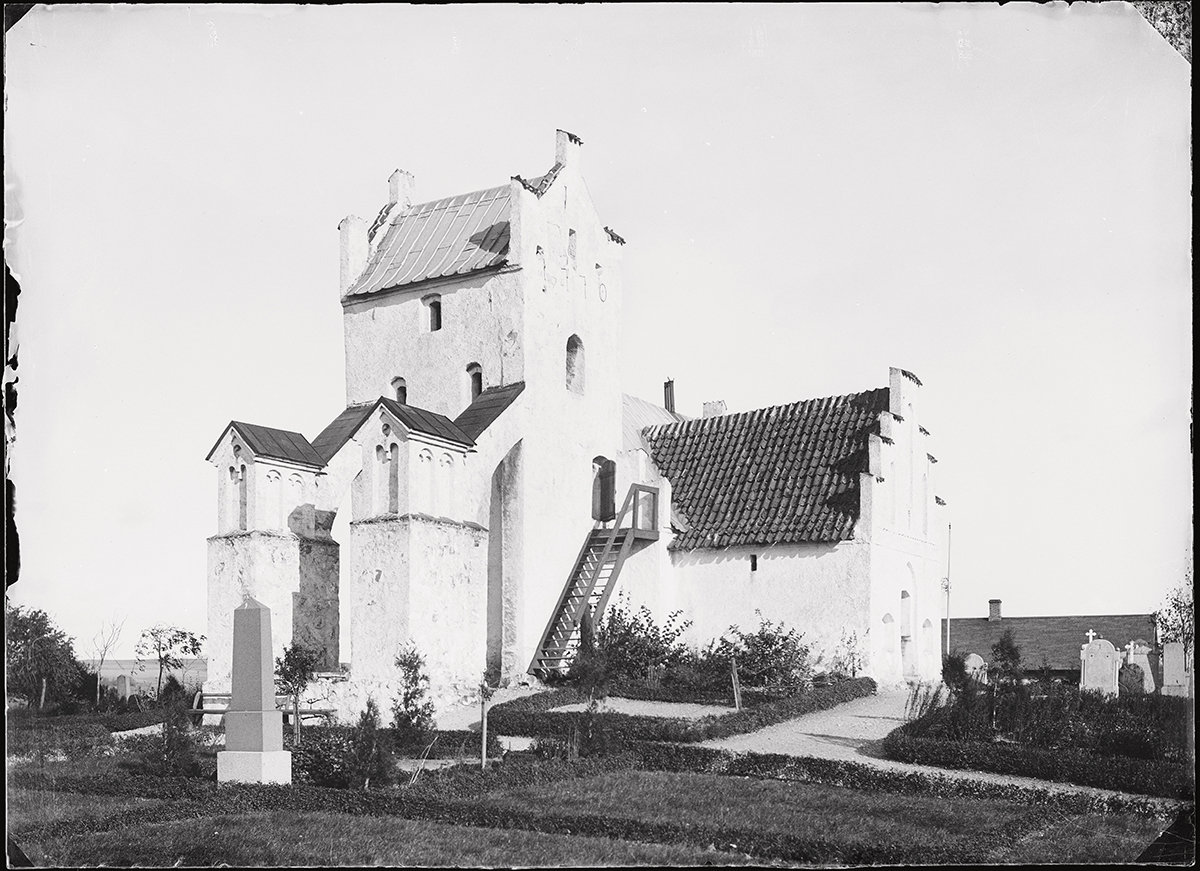
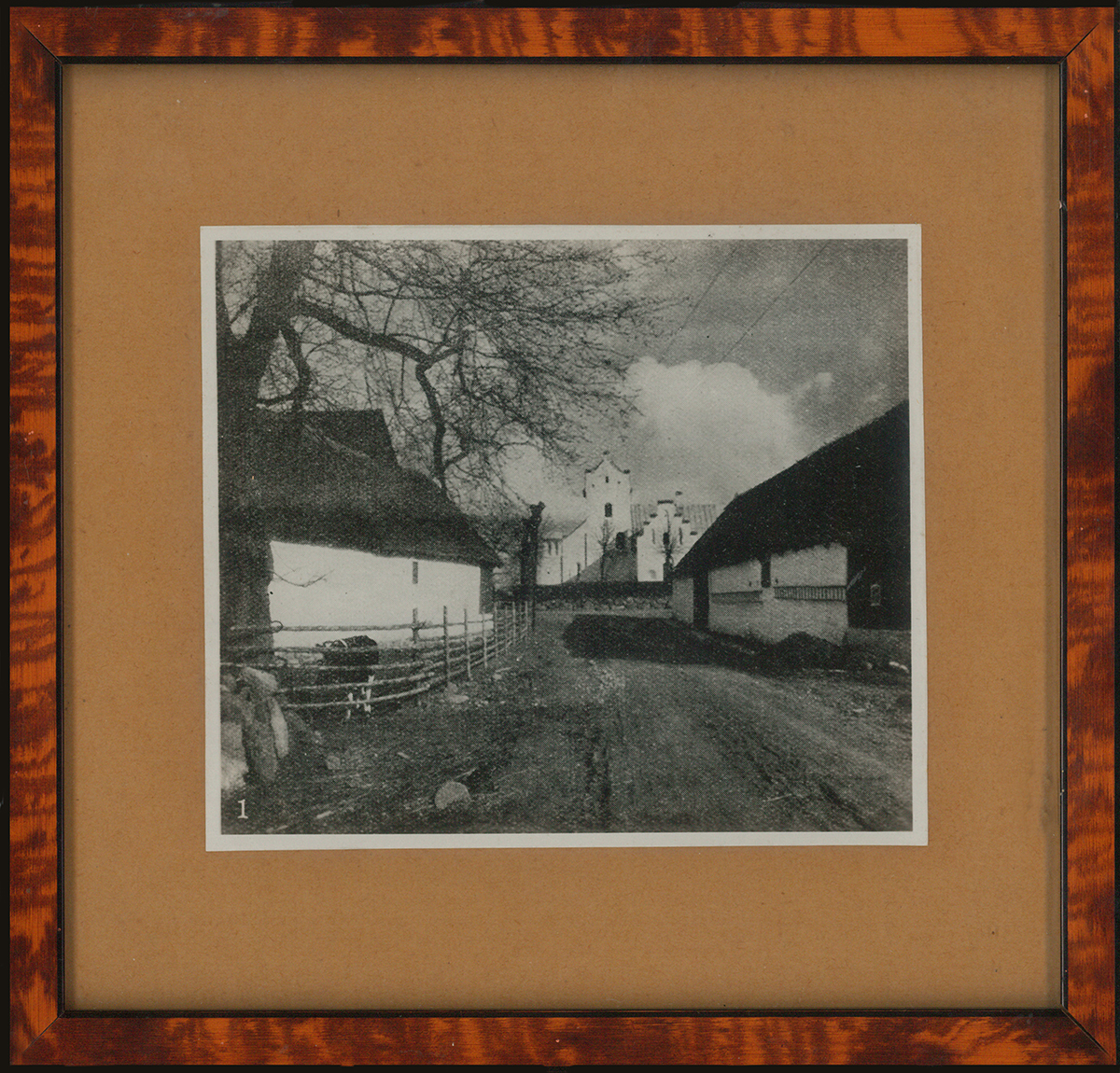
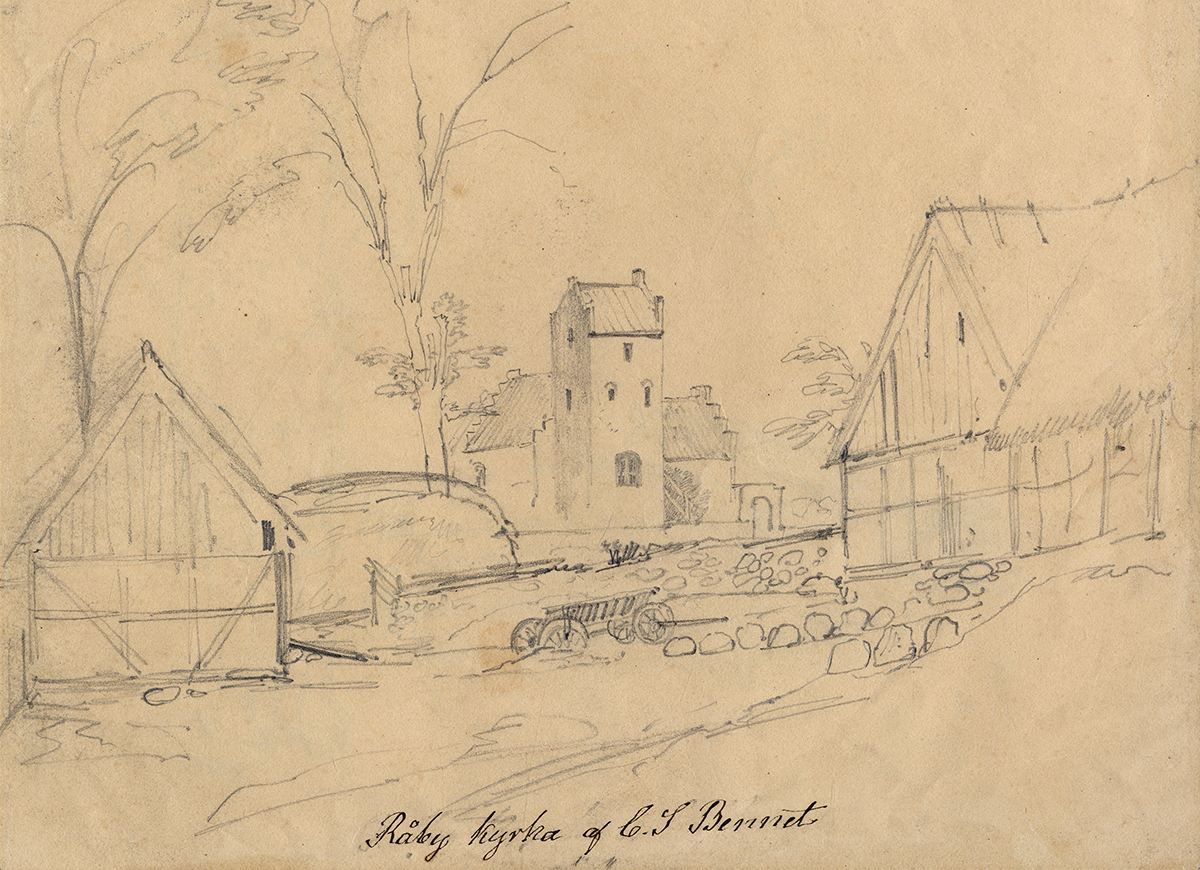
Stora Råby & Stora Råby Church
Even in prehistoric times, the small area later known as Stora Råby was populated – this is known from several Stone Age finds and cremation graves, among other things, in the gravel pit running through the village. Stora Råby is first mentioned in documents dated 1123. Stora Råby Church, located in the middle of the village, dates back to the 13th century.
Most of the land around Lund was owned by various ecclesiastical institutions until the Reformation, when the Crown took over. Since the 17th century, the land in Stora Råby has been divided into twenty-six numbers, twenty-five farms, and gatehouse number 25. Råbylunds Gård was farm number 3 and today also holds the land belonging to farm number 16.
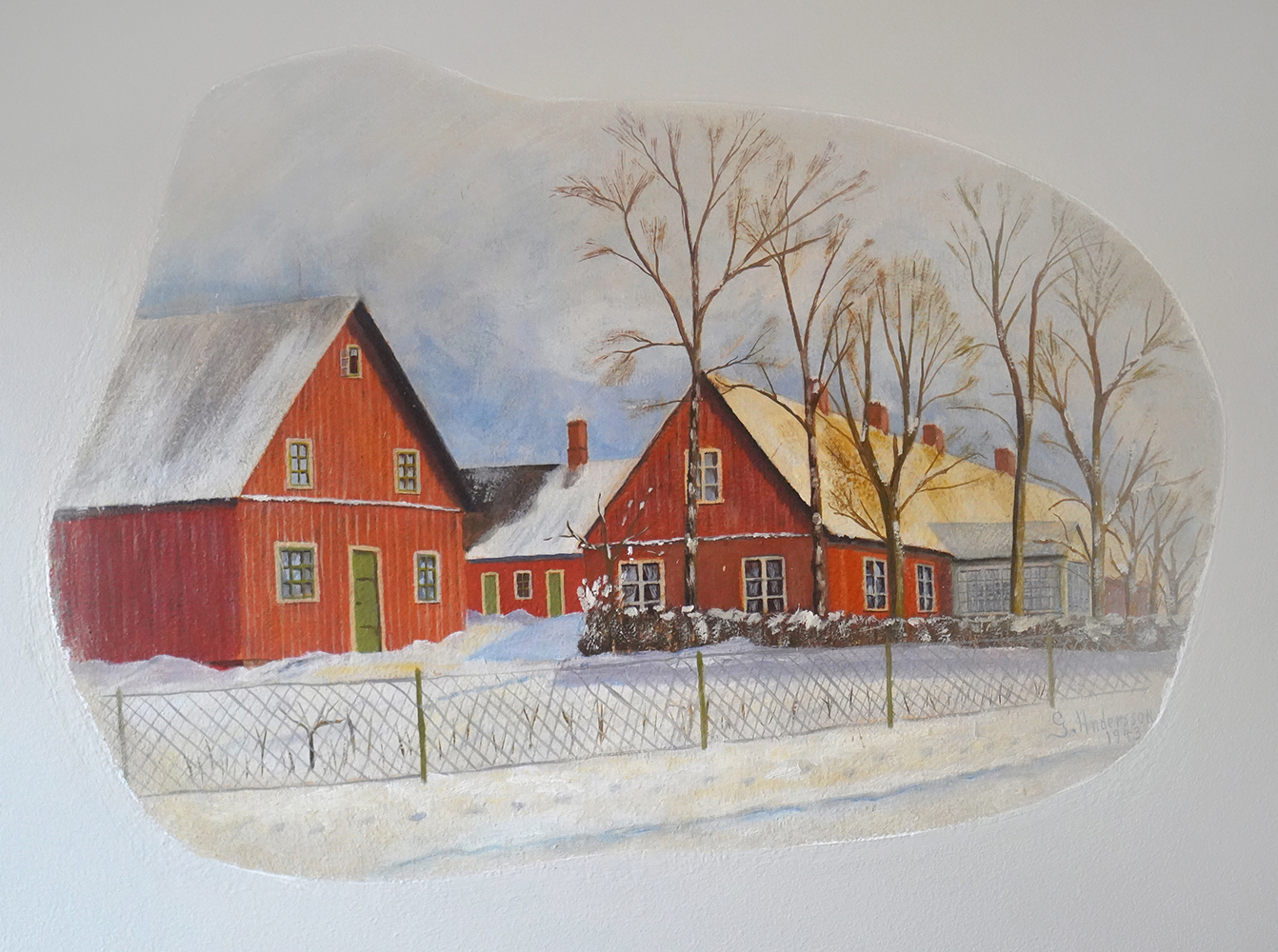
Råbylunds Gård – in the family’s possession since 1785
On April 13, 1785, the cavalryman Kjersten Eskilsson and his family moved from Virketorp to the Crown homestead Stora Råby No 3. Within the family, it is told that the children were packed in a “saltekar” (salt barrel) when the move took place. All this is known from church records, but also from the farm archive that has followed the farm for several hundred years. No 3 was the first Crown homestead in Stora Råby that was bought out from the Crown in 1791, thus becoming a tax-exempt homestead, meaning the farmer owned it himself. The farm was bought for 41 riksdaler and 42 skilling. The so-called Kjerstensen family has managed the farm ever since.
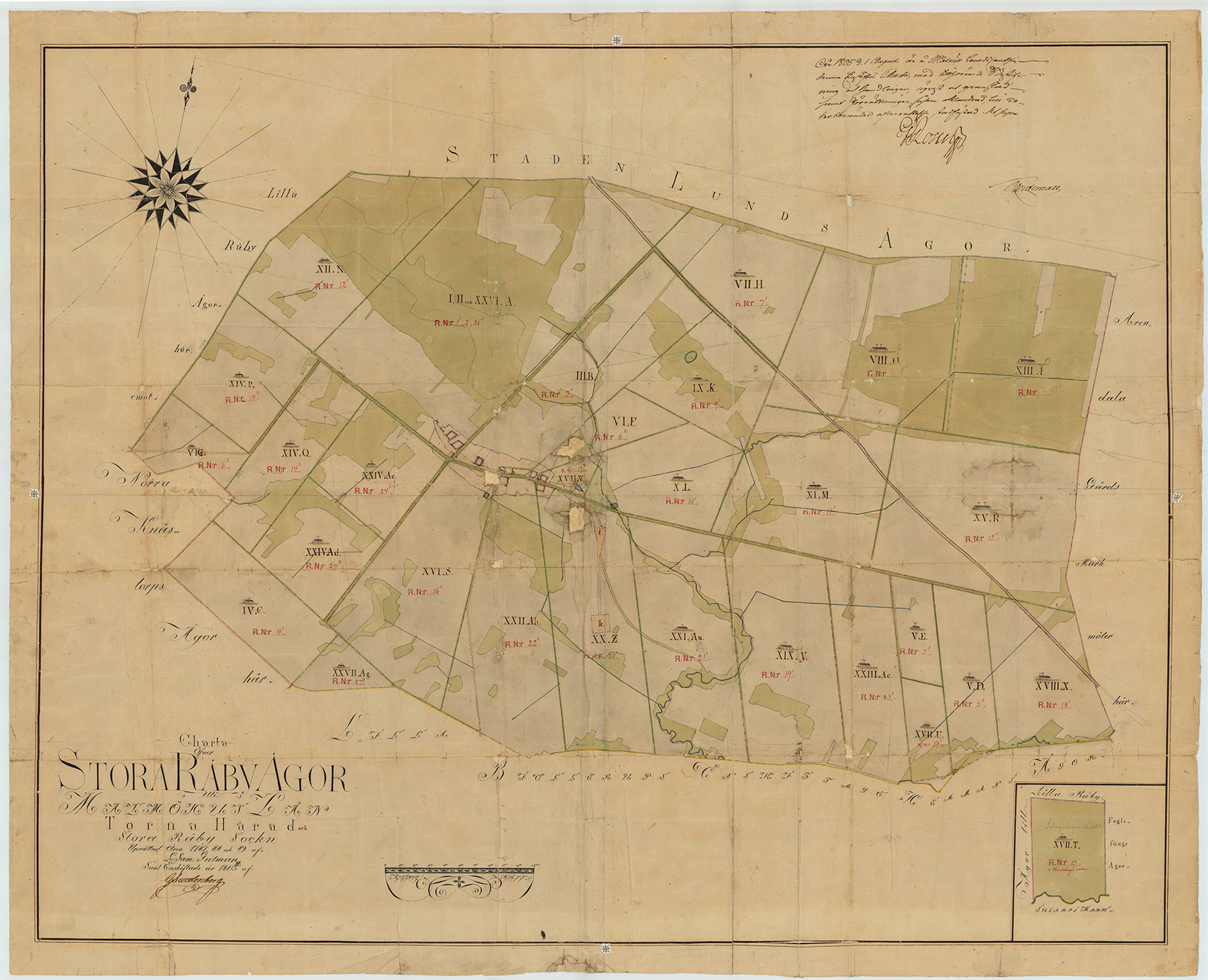
A Minor and a Major Upheaval
The Great Partition (Storskiftet) was carried out in Stora Råby between 1787-89 and aimed to reduce the number of land plots each farm had, but each farm was still to have a share in every “type” of land. In Stora Råby, there were three crop rotations – Norre, Östre, and Södre Wång – and these rotations were to be divided into at most four “falls” based on the quality of the soil.
In 1805, less than 20 years after the Great Partition, Stora Råby underwent the Enskifte (Enclosure Act), and the farms that had previously been clustered together next to the church now moved out to the fields to form larger, contiguous units. The initiative came from the then Baron Rutger Macklean at Svaneholm Estate, whose revolutionary ideas quickly spread and had a significant impact on land use, as well as on social life and cohesion in the villages.
Two-thirds of the village’s twenty-five farms moved out, leaving only eight farms at the village site, one of which was Råbylunds Gård.
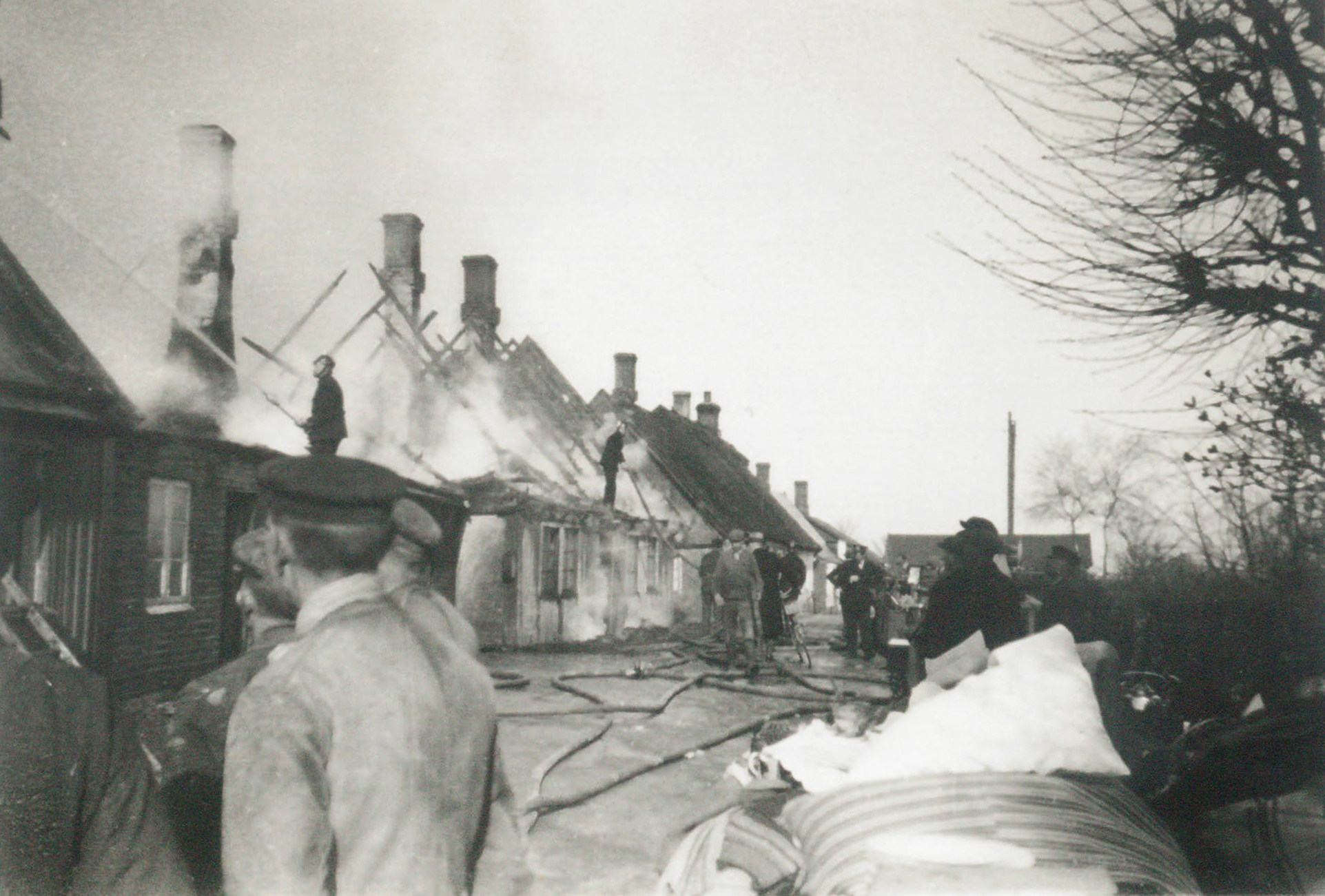
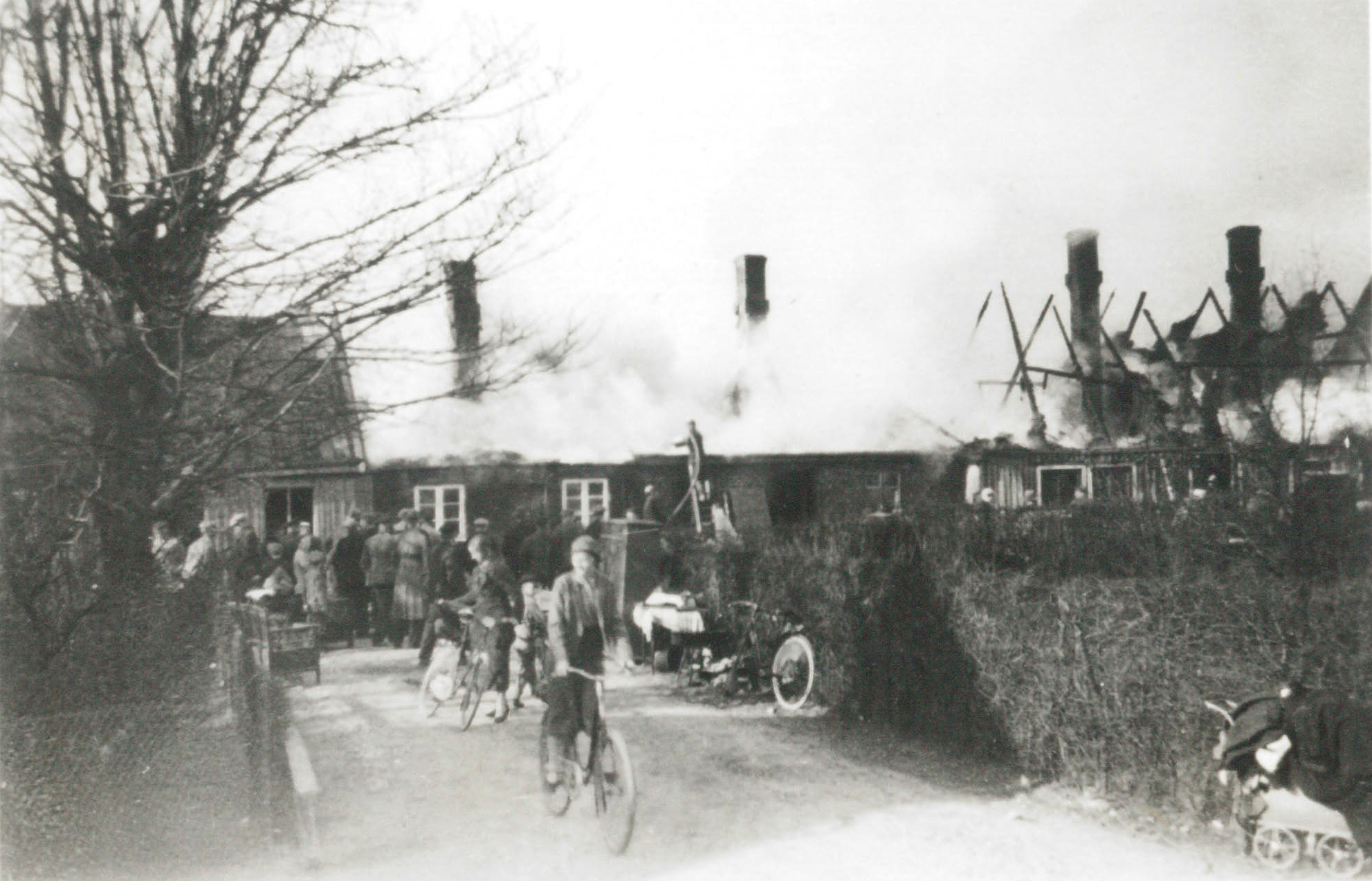
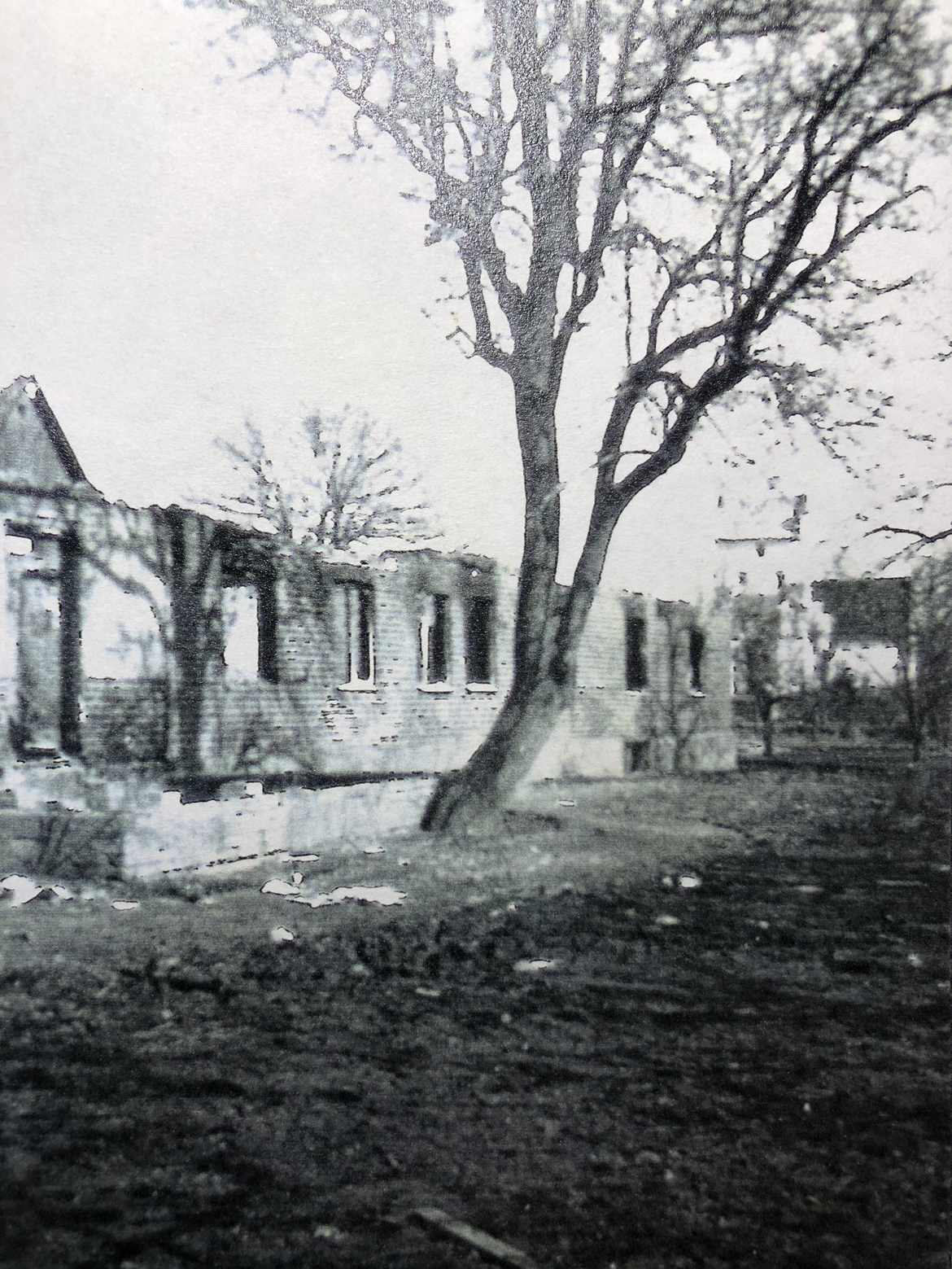
Wars, Plagues, and Fires have Ravaged Through the Years
Over the years, the farm and its inhabitants have been affected by wars, plagues, and several fires. On May 11, 1728, thirteen of the village’s farms burned down. The fire is believed to have started at Henrik Nilsson’s farm (No 21), who, despite warnings, had failed to repair the baking oven’s chimney. For this, Henrik received 30 lashes and a fine of 2000 daler silver coins.
On May 2, 1767, it happened again when fifteen farms and four gatehouses burned down. There was a strong southeasterly wind, and all houses west of the church burned down. The fire had started at the crofter Måns Bengtsson’s house, whose wife Olu Brorsdotter had been careless with fire. For this, she was sentenced to one month on bread and water, as she had no assets whatsoever.
In 1930, the entire farm burned down after the neighbor living south of the church, Assar Andersson, started the fire. It turned out that Andersson was more fond of card games than farming, which was not going well, so he set fire to several farms, including his own. It was an insurance fraud for which he was convicted. When he was released from prison after serving his sentence, he cycled out to the then-owner Nils Pålsson and apologized, which was reportedly accepted.
The farm as it looks today was rebuilt in 1931. Since then, parts of the farm have burned twice more, the stable in 1944 and the barn in 1949, but the fires were successfully extinguished. Parts of the floor joists in the buildings are fire-damaged, and traces of it are clearly visible.
Farm No 16 was set on fire by arsonist Assar Andersson in 1931 and was never rebuilt. Only the old “brewery house” remained, which later became a residence. For a few years in the early 2010s, Håkan K Pålsson had five new houses built in accordance with the old farm’s framework.
Nils Andersson from Esarp
In 1932, Nils and Anna Pålsson acquired the lands of No 16 south of the village street from Nils “Esarparen” Andersson and his wife Hanna at Alberta Mill. The same year, Hanna was found dead in the mill pond, and Esarparen was convicted of murder when the investigation revealed that a mistress was involved. The film “Esarparen” from 1986, starring Ernst Hugo Järegård, depicts the entire course of events.

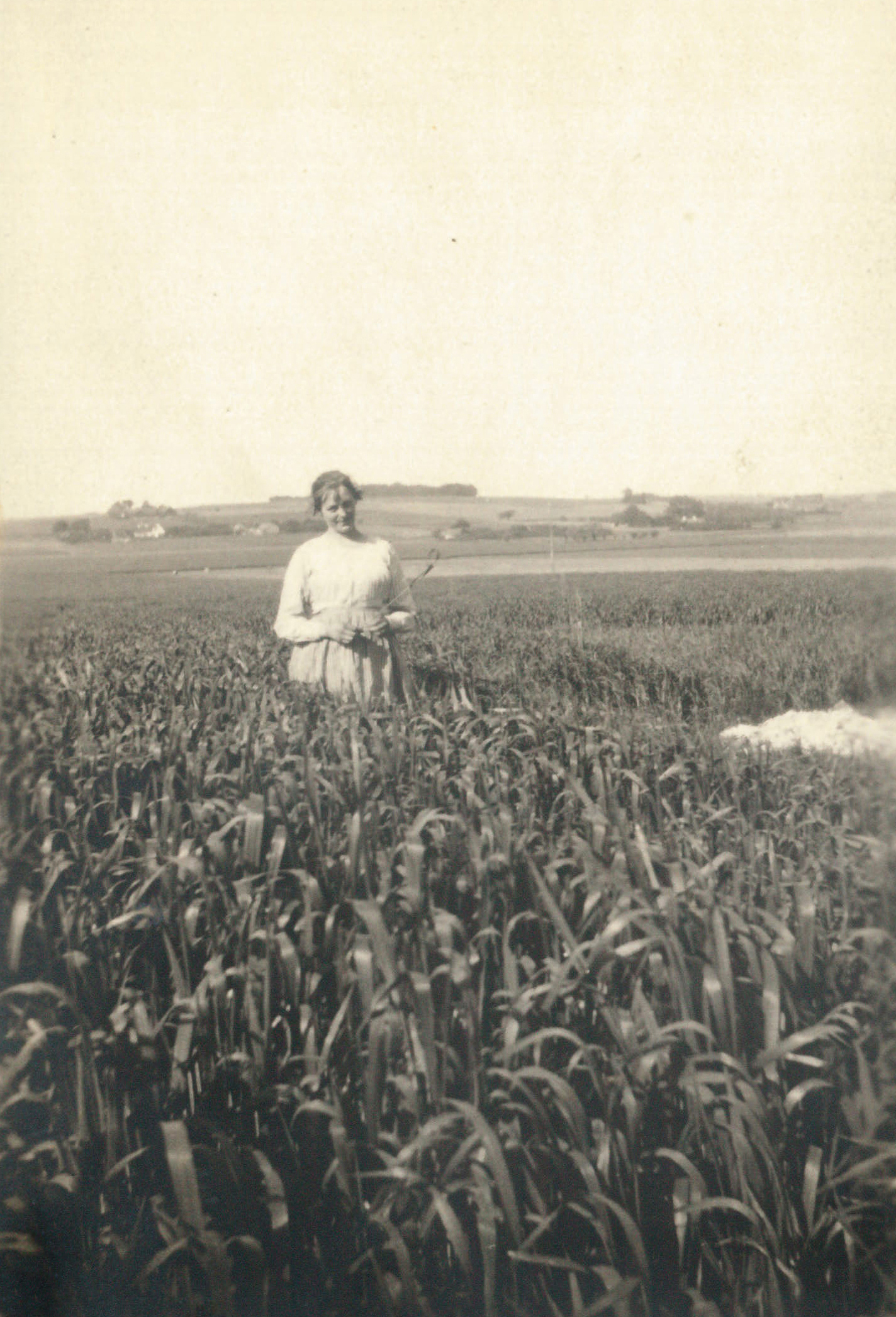


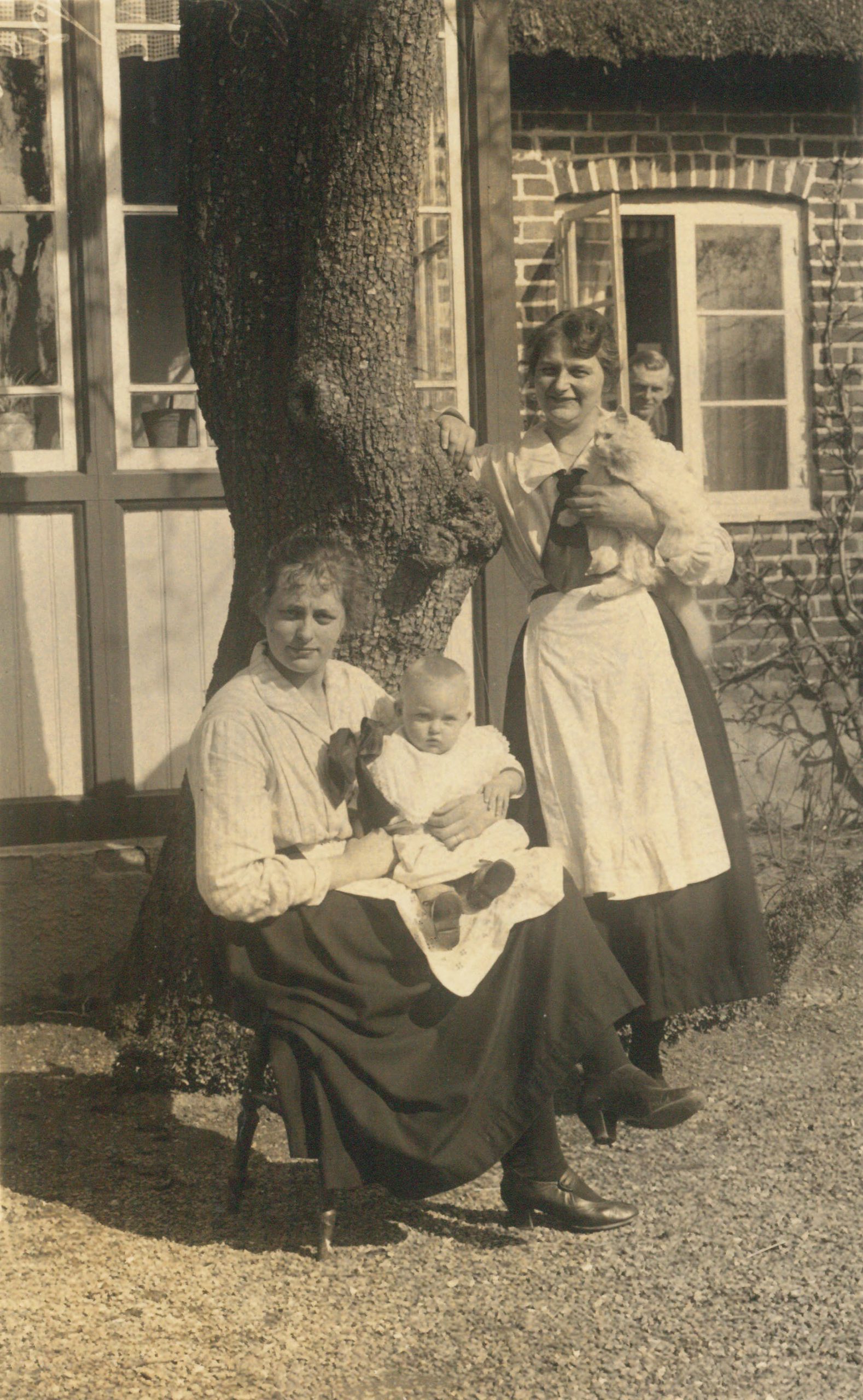

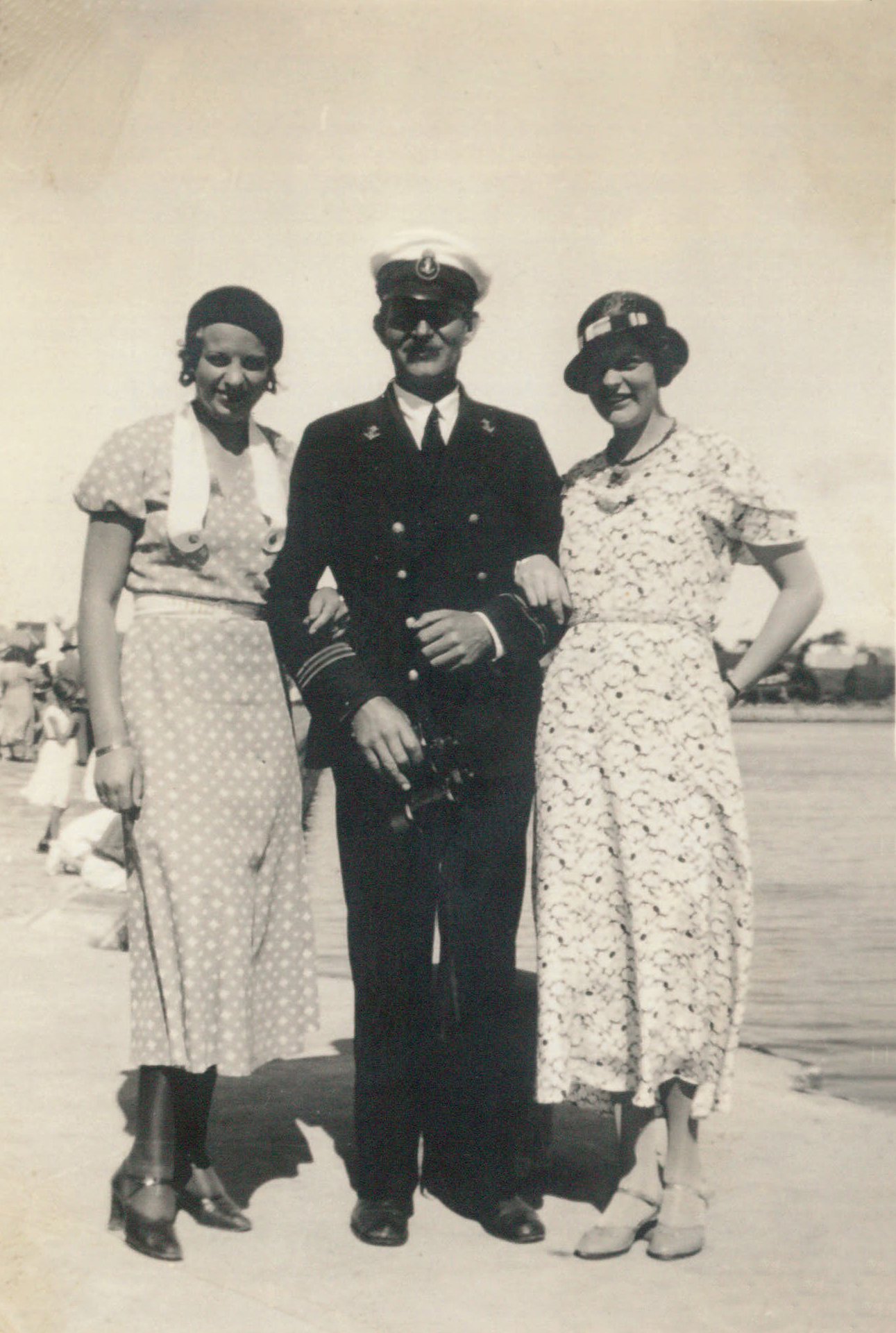

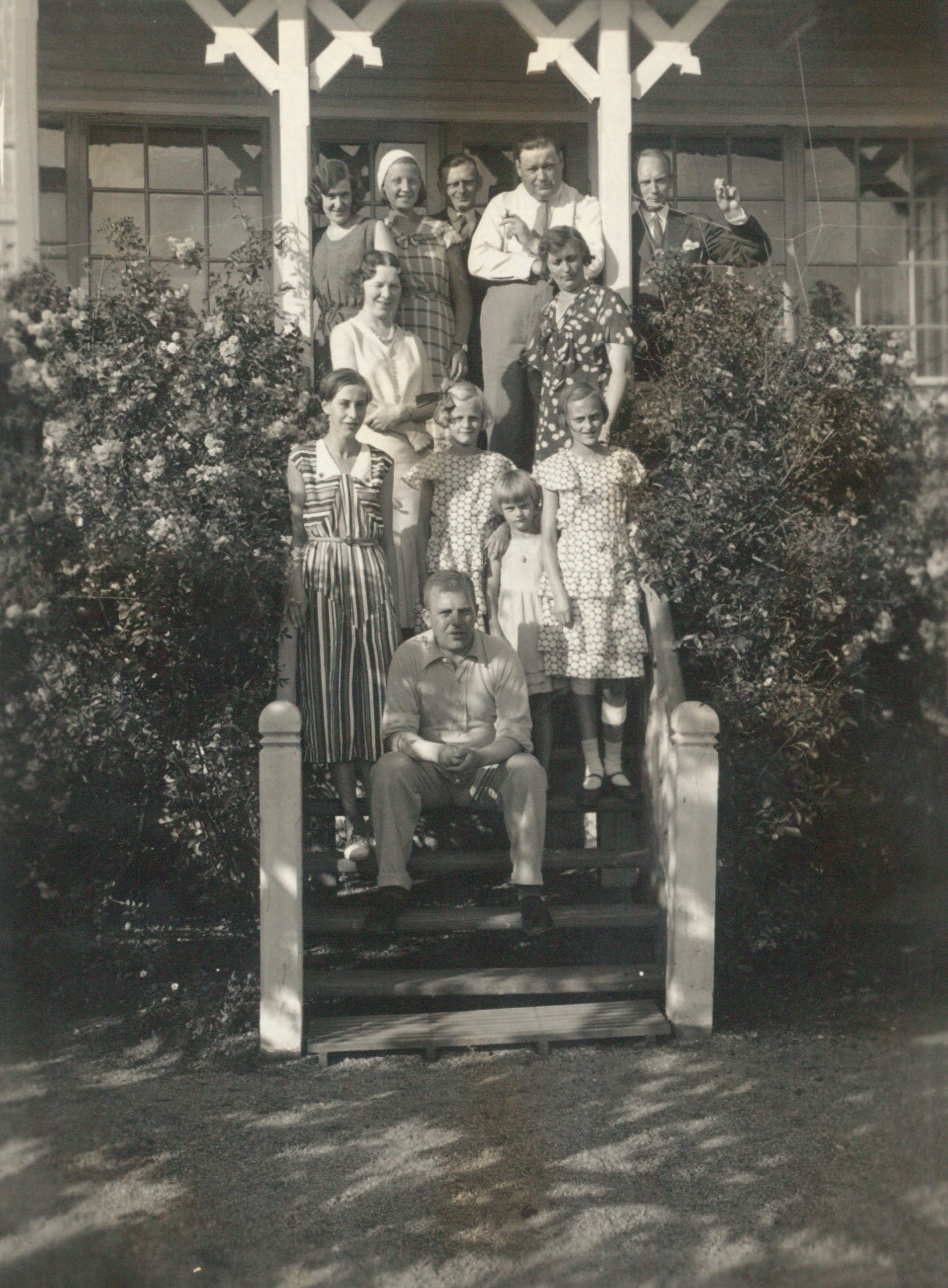


The Family at Råbylunds Gård
The images show the family at the farm, a four-winged half-timbered farm with a thatched roof, in the 1920s before it burned down in 1930, and later at the new farm built on a high plinth and with machine-pressed bricks, designed and erected by master builder Berlin from Dalby.
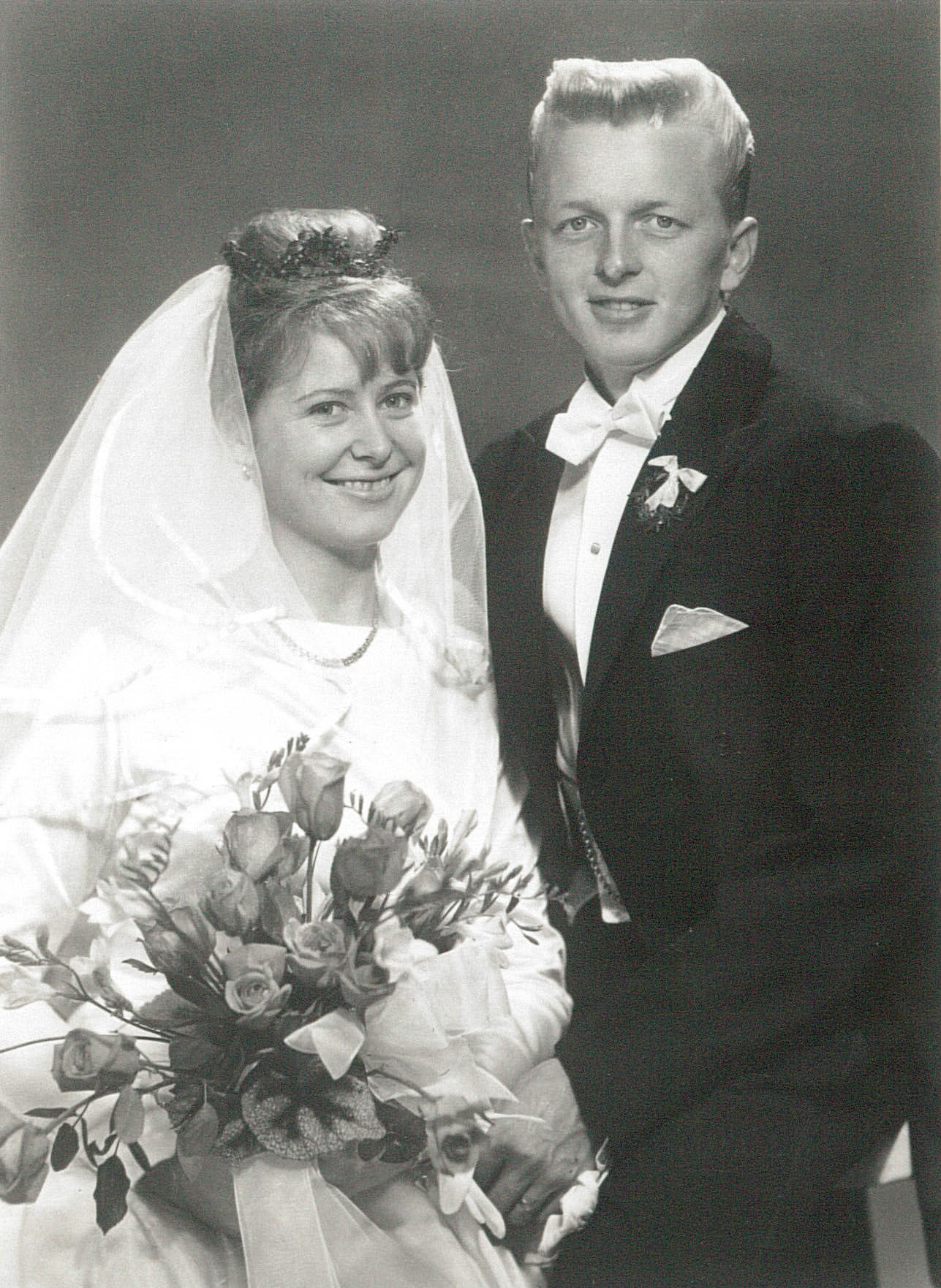
In the pictures, we see Anna and Nils Pålsson with their three eldest daughters Ester, Anna-Greta, and Berit; Sonja and Pålle were not born at the time of these photos. In one photo, Ester Pålsson (1920-2019) stands in the wheat field with the current Råbylund and Linero in the background.
Paul “Pålle” Pålsson (1941-1993), who took over the farm in 1963, is seen riding his wooden horse dressed in an aviator suit in 1944.


Farm Activities
Traditional cereals have been cultivated on the farm over time, and in modern times, also peas and sugar beets. Livestock farming ceased in the early 1960s, and the farm as a farming unit was shut down in 1992 when the associated lands were leased out. Paul Pålsson operated a machinery station and managed several other farms, including the lands of the “Mustard King.”
“Pålle,” as he was known, operated a demolition company and manufactured wagons for agriculture and agricultural machinery for the company Lilla Harrie. He also ran Dumpercentralen AB. For a period, there was a deer enclosure on the farm adjacent to Stora Råby Church. The image below shows the current owner, Håkan, with the deer Kalle and the dog Paula.

The Farm Today
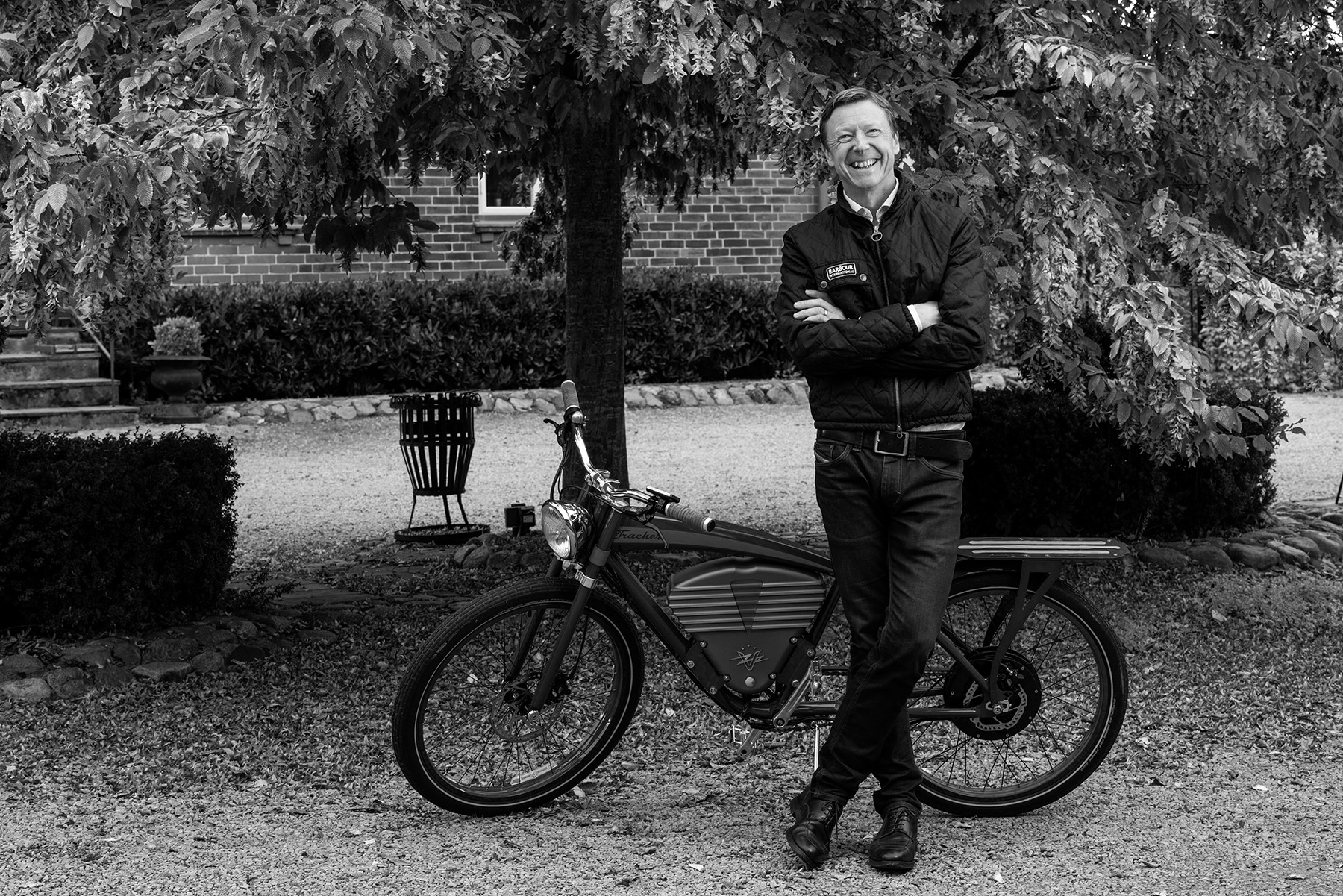
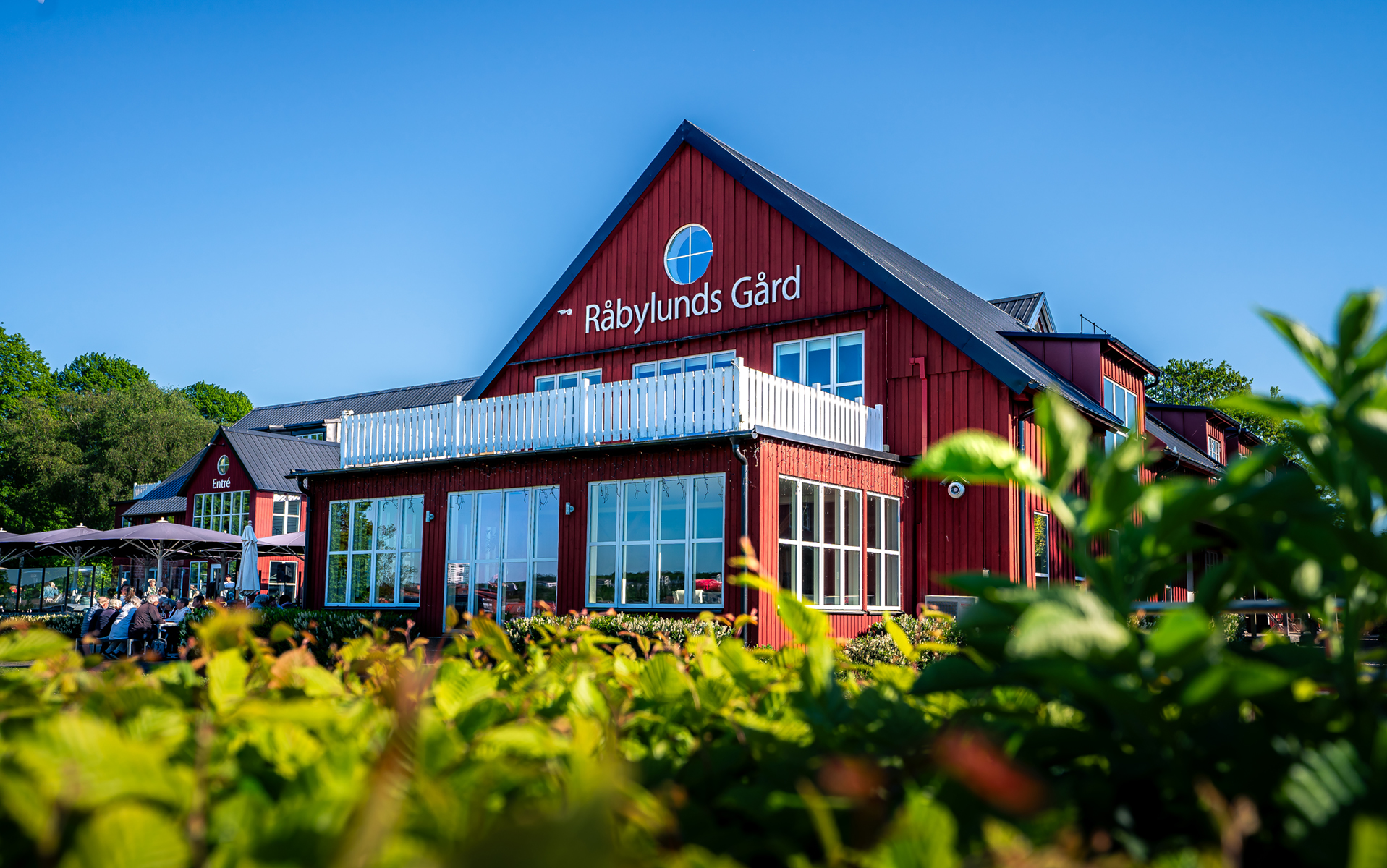
Håkan K Pålsson, owner of Råbylunds Gård, bought out the farm during the generational change and moved down from Stockholm in 2003. All the farm’s buildings have been completely renovated and continuously rebuilt with a focus on preserving the cultural environment and sustainability in the choice of materials and operation of the farm. Råbylunds Gård is today a vibrant meeting place with a restaurant, conferences for up to 150 participants, a Business Community with about fifty active entrepreneurs, and long-term rental of 18 residences.
Råby Institute
Råby Institute was founded in 1838 by the Chief Chamberlain Baron Axel Gustaf Gyllenkrok. Gyllenkrok was born on July 14 at Björnstorp Estate and had a very eventful life in the military close to the king, as a member of parliament, and as an academic among the learned. He was a member of the Royal Physiographic Society in Lund and the Royal Swedish Academy of Sciences. When he took over Björnstorp and Svenstorp Estates in 1805 after his father’s death, a major reform effort began according to the rules of the Enskifte. He was very successful in his reform work and soon became a role model for other estate owners.
Gyllenkrok’s name is associated with many donations in Lund, foremost among them being the founding of the Råby Institute. Its focus was child welfare with an emphasis on juvenile delinquents, and the institute was the first of its kind in Sweden. At that time, there was no distinction between crimes committed by adults or by children; the punishments were the same.
Over the years, Gyllenkrok collected money from various sources for operation and development. The activities grew and could accommodate more young people. He was personally very involved in the activities and its “boys” and visited it several times a week. He often gathered the students for conversations, social gatherings, and musical entertainment.
The Institute continuously purchased land from the western part of Stora Råby, and the area grew, with new buildings being erected.
Even today, the work of adapting young offenders to a normal life continues, but the operations have long been managed by state authorities.